Moving house in Melbourne is never as simple as packing boxes and loading a truck. The city’s layout, infrastructure, traffic patterns, housing density, and council regulations can turn certain moves into logistical challenges very quickly. While some suburbs offer wide streets, easy access, and relaxed parking rules, others demand careful planning, experience, and patience.
If you are planning a move and want to avoid unexpected costs, delays, or stress, understanding which Melbourne suburbs are the hardest to move in can save you a lot of trouble. This guide by your favourite Melbourne Movers breaks down the most difficult suburbs to move in and explains exactly why these areas pose challenges for movers and residents alike.
Before looking at specific suburbs, it helps to understand what factors create moving difficulties in Melbourne.
High density housing often means limited lift access, strict body corporate rules, and narrow loading zones. Inner city traffic congestion makes timing a move extremely difficult. Older suburbs with narrow streets struggle to accommodate large moving trucks. Hillside areas require experienced handling due to steep driveways and limited vehicle access. Council parking restrictions can delay moves if permits are not arranged in advance.
When several of these factors combine, even a small local move can feel overwhelming.
| Melbourne Suburb | Why Moving Is Difficult | Common Moving Challenges |
| Melbourne CBD | The area is dominated by high rise apartments with strict body corporate rules and limited street access | Lift bookings are mandatory, parking permits are required, traffic congestion causes delays, and moves are restricted to fixed hours |
| Southbank | Dense residential towers and heavy tourist activity make access unpredictable | Limited loading zones, frequent road closures, long lift wait times, and restricted weekend moving hours |
| Carlton | Older street layouts and a high student population reduce parking availability | Narrow streets, scarce parking, tram disruptions, and apartment buildings with limited or no lift access |
| Fitzroy | Heritage streets and mixed residential commercial use complicate vehicle access | Tight staircases, minimal off-street parking, crowded weekend streets, and difficult furniture handling |
| Collingwood | Converted warehouses and ongoing construction change access conditions frequently | Freight lift bookings, sudden road closures, limited parking permits, and uneven building layouts |
| St Kilda | Tourist traffic and council enforcement make timing critical | Older apartment blocks without lifts, strict parking rules, event-related road congestion, and noise restrictions |
| Richmond | Proximity to major sporting venues increases unpredictability | Road closures during events, parking bans, narrow terrace house streets, and complex access points |
| Brunswick | High density housing and active streets impact vehicle movement | Tram routes slowing access, packed residential streets, shared driveways, and limited loading areas |
| Hawthorn | Busy arterial roads and large properties increase move complexity | Traffic delays, long carry distances from street to home, permit requirements on main roads |
| Docklands | Modern infrastructure comes with strict building protocols | Underground parking that cannot fit trucks, rigid move schedules, long distances between parking and entrances |
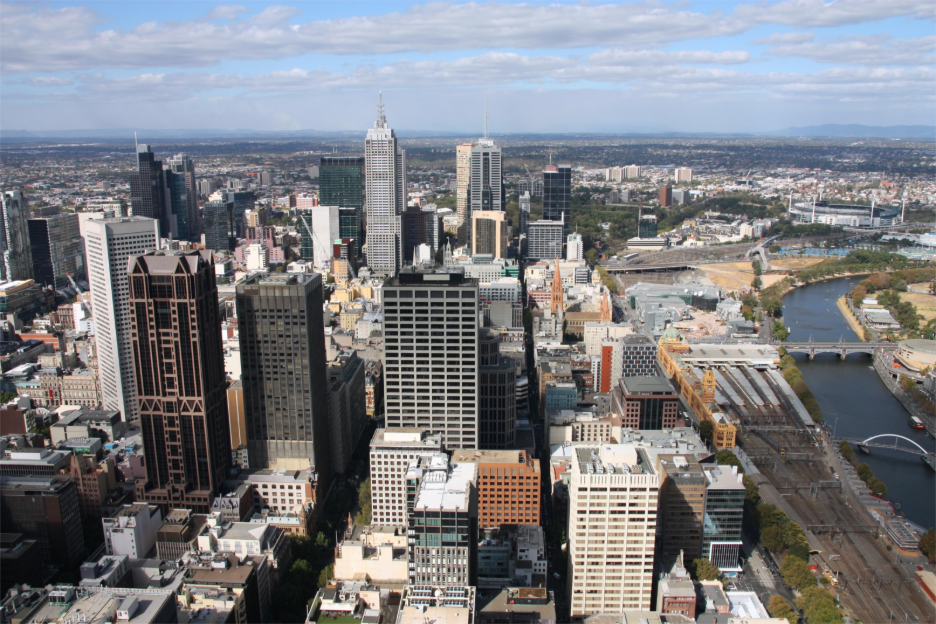
The Melbourne CBD is widely considered the most difficult place to move in the entire city.
High rise apartment living dominates the area and almost every building operates under strict moving protocols. Many buildings require advance bookings for lifts, security approval, limited moving hours, and proof of insurance from removalists. Parking in the CBD is scarce and heavily regulated, often requiring council permits just to stop a truck briefly.
Traffic congestion throughout the day makes scheduling critical. Moves often need to happen during narrow windows early in the morning or late in the evening. Loading zones are limited and fines are common for overstaying.
Vertical living also adds time. Even moving a one bedroom apartment can take hours due to lift wait times and building restrictions.
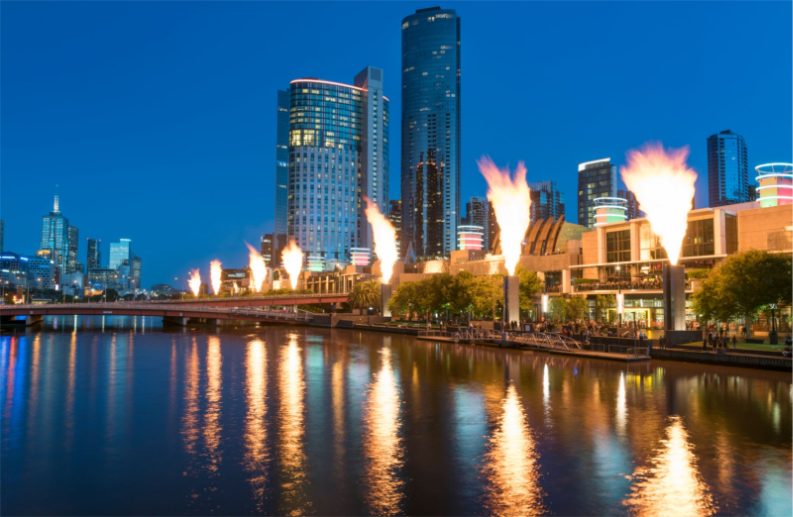
Southbank presents similar challenges to the CBD but adds an extra layer of complexity.
The suburb is packed with residential towers, hotels, and entertainment venues. Lift bookings are mandatory in most buildings and often limited to specific time slots. Weekends are especially difficult due to tourism and events.
According to the City of Melbourne, the Southbank and central city area hosts over 10 million event and arts visitors each year, significantly increasing traffic congestion and access restrictions, especially on weekends. (source)
Road access around Southbank is frequently disrupted by construction, trams, and road closures. Parking a moving truck close to an apartment entrance is rarely straightforward.
Noise restrictions also apply in many buildings, further limiting moving hours. If timing is mismanaged, delays can push a move into the next day.
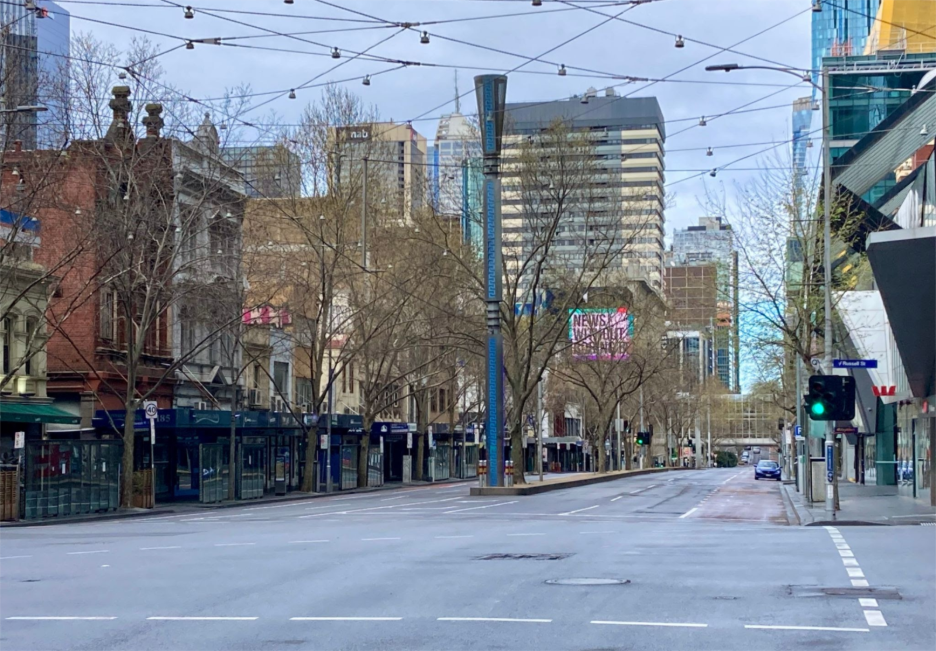
Carlton is deceptively difficult to move in because its challenges are not immediately obvious.
Many properties are terrace houses or apartments located on narrow streets designed well before modern vehicles existed. On street parking is tightly controlled and competition for space is fierce due to proximity to the University of Melbourne and nearby hospitals.
Student accommodation buildings often have limited lift access and strict rules during peak academic periods. Loading zones are rare, making it difficult to park close to entrances.
Inner city traffic combined with frequent trams can slow down moves significantly, even over short distances.
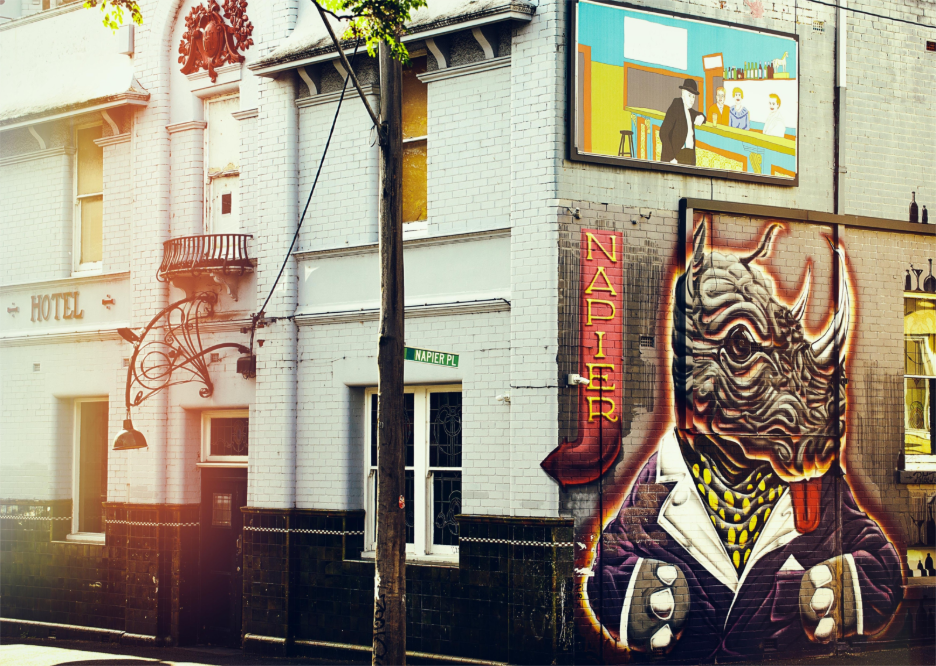
Fitzroy is one of Melbourne’s most vibrant suburbs, but it is also one of the most frustrating to move in.
The suburb is known for narrow streets, minimal off street parking, heritage protected buildings, and dense residential layouts. Large moving trucks often struggle to navigate the area or find suitable stopping points.
Many apartments are located above shops or cafes with stair only access. Carrying furniture up multiple flights without lift access is common.
Popular nightlife also limits moving hours in some parts of Fitzroy, especially on weekends when streets are crowded and parking enforcement is strict.
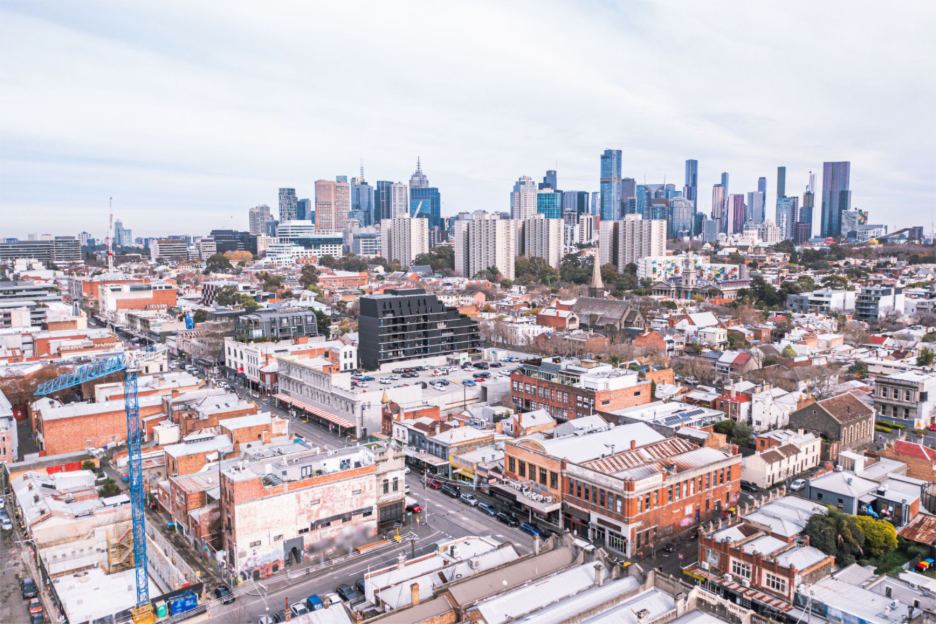
Collingwood combines old industrial buildings with modern apartment developments, creating unpredictable moving conditions.
Converted warehouses often have unusual layouts including freight lifts that must be booked well in advance. Some older buildings have no lifts at all despite multiple levels.
Street congestion is common during business hours due to commercial activity. Parking permits are frequently required but availability varies by street.
Construction is ongoing in many parts of Collingwood, which can cause last minute road closures or access changes that disrupt moving plans.

St Kilda is challenging to move in for reasons that go beyond apartment living.
The suburb attracts heavy foot traffic, weekend events, and seasonal tourism. This makes parking and access unpredictable, particularly near the beach, Acland Street, and surrounding entertainment areas.
Older apartment blocks often lack lifts, forcing long stair carries. Many buildings have narrow stairwells that require careful furniture handling.
Council restrictions are strictly enforced in St Kilda, and moving without permits can result in fines or forced delays.
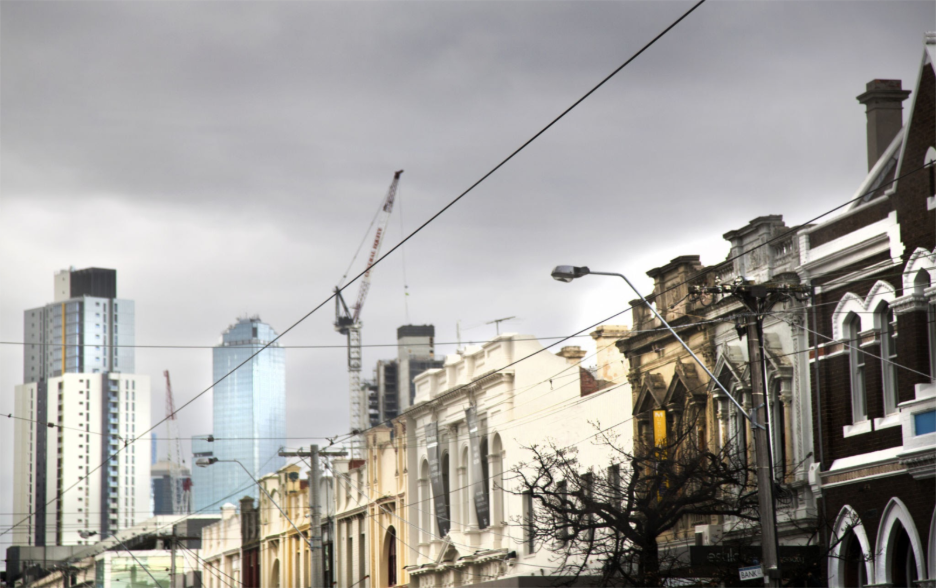
Richmond is a mixed use suburb that presents multiple moving obstacles.
Terrace houses line narrow streets with minimal parking. High density apartment developments near transport hubs add to congestion. Game days at the Melbourne Cricket Ground can shut down entire sections of the suburb without much notice.
Moving during major sporting events becomes extremely difficult due to road closures and parking bans. Timing errors can result in trucks being turned away.
Richmond also has many split level properties that require careful planning to move large furniture safely.
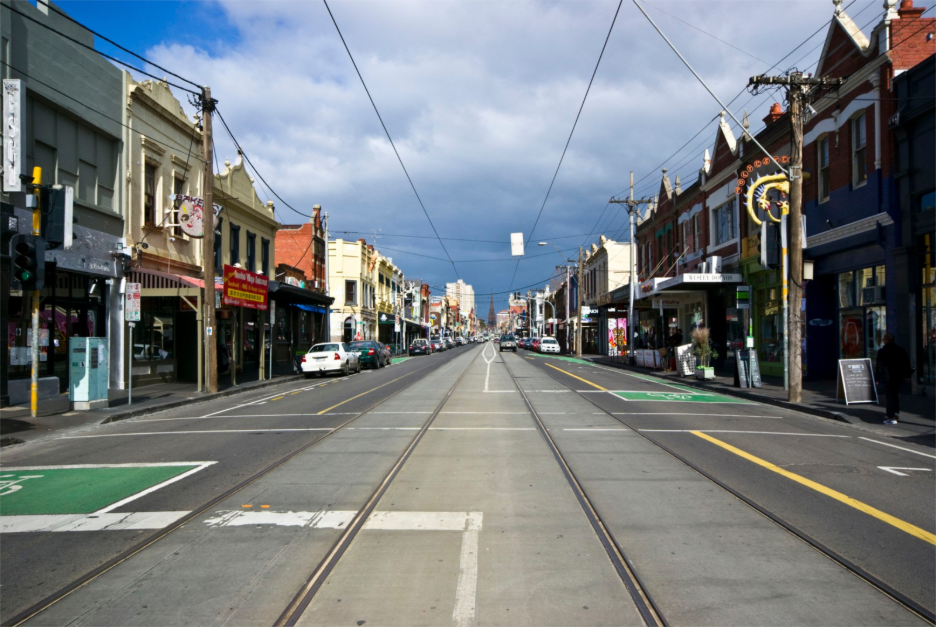
Brunswick is known for its cultural diversity and closely packed housing.
Many streets are narrow and crowded with parked cars. Apartments and units often have shared driveways that cannot accommodate large vehicles.
Tram routes cut through major roads, creating delays and limiting stopping options. Older homes may have tight entryways that complicate furniture removal.
Weekend moves are particularly difficult due to local markets, cafes, and heavy pedestrian activity.
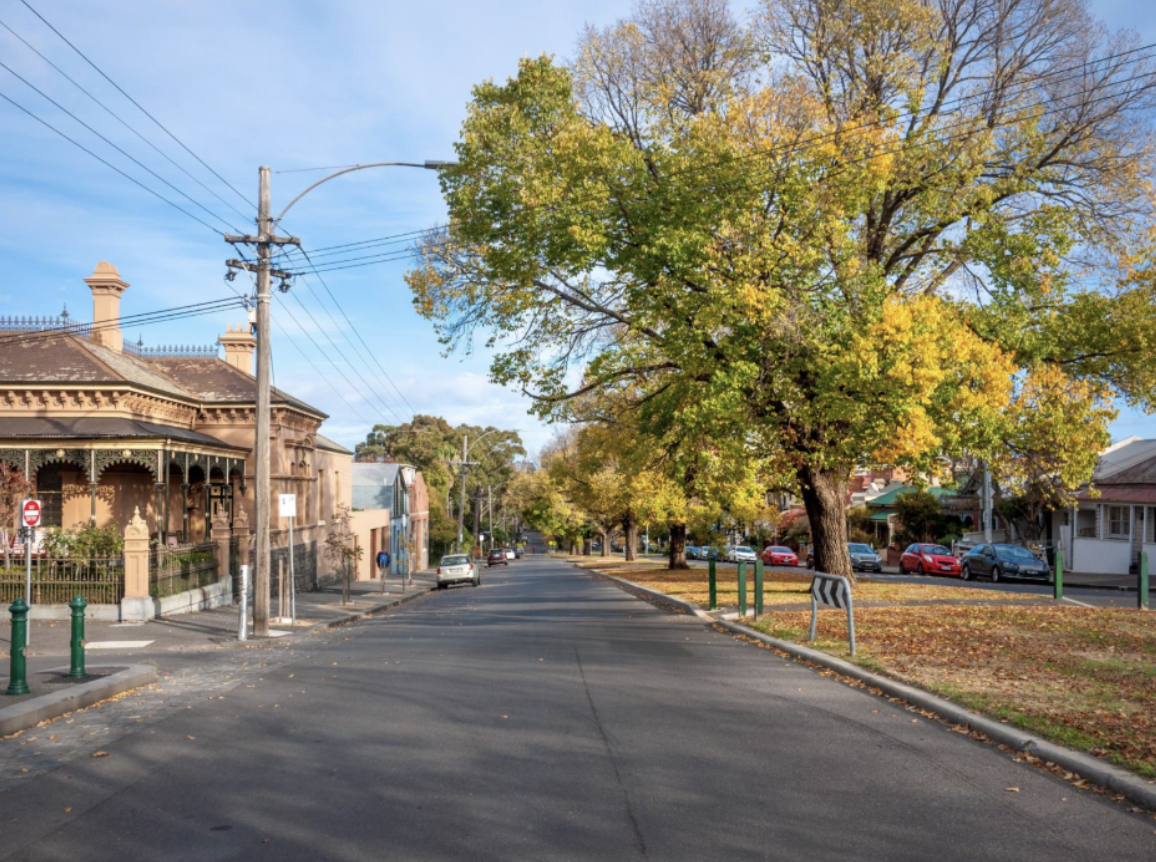
Hawthorn presents a different type of challenge due to traffic and property size.
Busy arterial roads run through the suburb, making it difficult to access properties during peak hours. Parking on main roads often requires permits and careful coordination.
Larger homes may involve long carry distances from street to entrance. Some heritage properties restrict modifications that could otherwise simplify moves.
Proximity to universities also means periods of increased activity and limited parking availability.
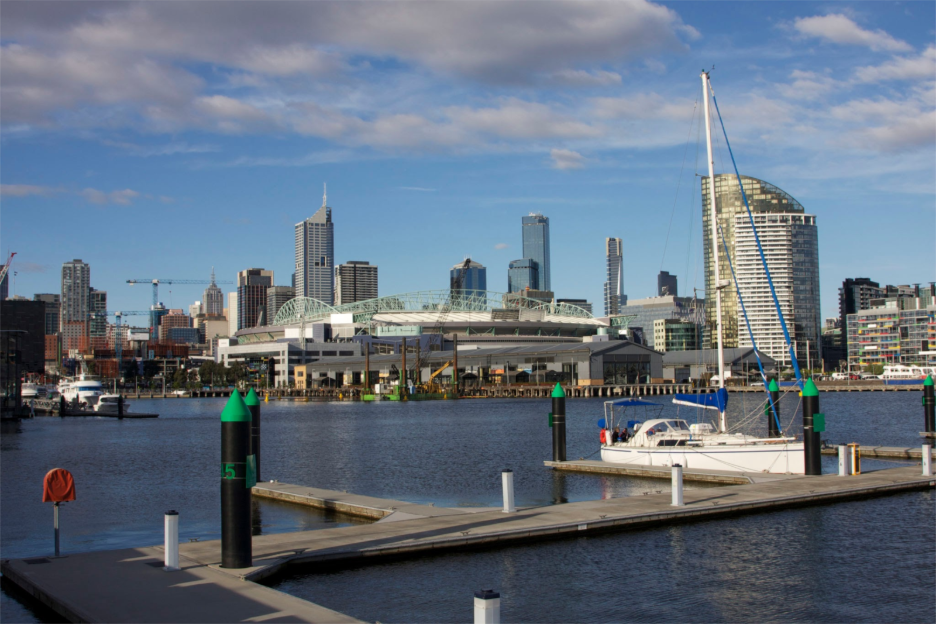
Docklands looks modern and open but can be surprisingly difficult to move in.
Many apartment buildings enforce rigid moving schedules and require multiple approvals. Parking bays may be underground and incompatible with standard moving trucks.
Strong winds in Docklands can complicate balcony access or crane lifts. Construction zones shift frequently, changing access routes without warning.
Distance between parking areas and apartment entrances adds time and physical effort to moves.
Moves in difficult suburbs typically cost more due to time, labour, and equipment needs.
Lift delays, long carry distances, parking issues, and traffic congestion all extend the duration of a move. Additional crew members may be required to meet building rules or manage stairs safely.
Permit fees, lift bookings, and council requirements can add to overall expenses. If mistakes are made, such as missing a lift booking or permit, costs can escalate quickly.
Planning is critical when moving in hard suburbs.
Booking lift times early, applying for council permits, and scheduling moves outside peak traffic hours can reduce problems. Conducting a pre move inspection helps identify access issues before moving day.
Choosing experienced removalists familiar with Melbourne’s inner suburbs makes a significant difference. Professionals who understand local council rules, traffic patterns, and building requirements can complete difficult moves more efficiently and safely.
Clear communication with building managers and neighbours also helps avoid last minute disruptions.
Melbourne is a city of contrasts, and nowhere is this more apparent than when moving house. While some suburbs welcome easy access and wide streets, others demand careful coordination and expert handling.
Suburbs like the CBD, Southbank, Fitzroy, Carlton, and St Kilda consistently rank among the hardest places to move due to density, restrictions, and congestion. Understanding these challenges in advance allows you to plan smarter, budget accurately, and reduce stress.
A difficult suburb does not mean an impossible move, but it does mean preparation matters. With the right knowledge and the right approach, even Melbourne’s most complex moves can be handled successfully.
LOCATIONS & SUBURBS
From moving houses to office relocation services in records time, we’ve got the lowest removalist costs in Melbourne – Book your next move with us online today! For our interstate removalists – try Move4Cheap!
© Copyright 2024 - Melbourne Cheap Movers - All Rights Reserved | Designed, Marketing & Managed by Crazy Rise