Moving out sounds simple until you start thinking about your bond. That one payment you made at the start of your lease suddenly becomes the most important money you want back. And if you’ve rented in Melbourne before, you’ve probably heard at least one horror story about someone losing a big chunk of it over “cleaning” or “damage.”
The truth is, most bond deductions aren’t random. They happen for specific reasons, and more often than not, they’re avoidable.
If you understand what landlords are legally allowed to claim and how to handle your move properly, you can walk away with your full bond without stress.
Let’s break this down in a way that actually makes sense.
In Victoria, your bond is held by the Residential Tenancies Bond Authority, not your landlord. That’s important because it means your landlord can’t just take money whenever they feel like it. They need a valid reason and evidence.
According to the RTBA annual report, around 65% of bonds are returned in full to renters. (Source)
So yes, most people do get their money back. But that also means a large number of renters lose part of it, usually for things that could have been avoided.
This is where things get clearer. There are only a handful of reasons a landlord can make a claim.

If you leave the property owing rent, or you haven’t settled agreed bills, that amount can be taken from your bond. This is the most straightforward one.
This is the area where most confusion happens.
Living in a property will naturally cause some wear. Carpets will flatten, paint may fade, and small marks can appear on walls. That’s normal and landlords cannot charge you for it.
But actual damage is different.
Things like a broken door, a cracked window, or large stains on the carpet fall into this category. These are considered beyond normal use, and landlords can claim the cost to fix them.
You’re expected to leave the property reasonably clean. Not showroom perfect, but clean enough for the next tenant to move in comfortably.
If the place is left greasy, dusty, or with obvious mess, landlords can arrange cleaning and deduct the cost from your bond.
Anything that came with the property needs to be returned.
This includes keys, remotes, or even appliances if they were part of the lease. If something is missing, the replacement cost can be deducted.
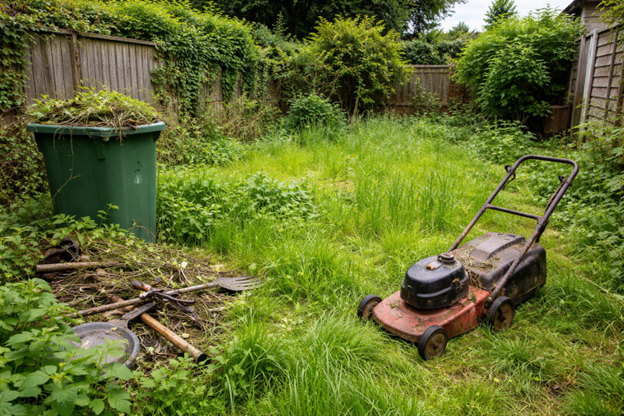
If your lease states that you’re responsible for the garden, then it needs to be maintained.
An overgrown lawn or neglected outdoor area can lead to deductions, especially if it requires professional work to fix.
This is where many renters feel unsure, and sometimes even pressured.
Landlords cannot deduct money for things like general ageing or improvements. They can’t repaint a property and pass the cost onto you just because the paint looks old. They also can’t replace worn carpets and charge you if the wear is from normal use.
Another important point is that landlords need to show evidence for any claim. They usually rely on the condition report from when you moved in and compare it to the condition when you leave.

Here’s something people don’t realise until it’s too late.
A lot of bond deductions don’t come from how you lived in the property. They come from how you moved out of it.
Furniture scraping walls, boxes dropping on floors, or appliances leaking during the move can all cause damage. And once it’s done, it’s very hard to argue.
This is exactly why experienced Melbourne Movers always emphasise careful packing and handling. It’s not just about getting your belongings from one place to another. It’s about protecting the property you’re leaving behind.
Packing isn’t just about fitting things into boxes. It’s about preventing damage before it even happens.
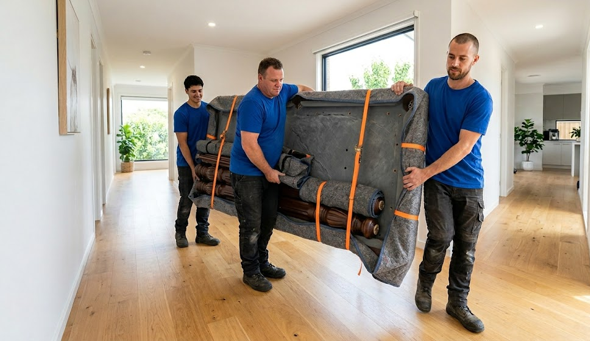
Sharp edges are the biggest culprit when it comes to wall damage. Wrapping furniture with blankets or padding makes a huge difference.
Even a small dent or scrape can cost more than you expect to repair.
Heavy boxes are harder to carry and more likely to be dropped.
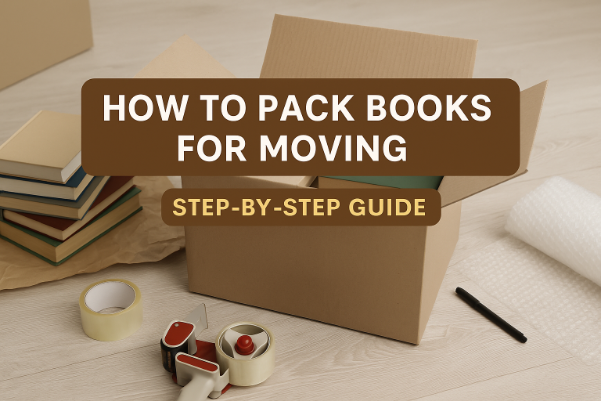
It’s always better to spread weight. Books should go into smaller boxes, while lighter items can go into larger ones. This reduces the risk of accidents during the move.
Liquids, oils, and food residue can easily spill during packing.
If something leaks inside a cupboard or onto flooring, it can leave stains that are difficult to remove. Sealing everything properly and packing carefully avoids this problem entirely.
Leaving all the cleaning for the last day rarely works out well.
A better approach is to clean each room as you empty it. Wipe down shelves, clean surfaces, and check corners while the space is still manageable.
By the time you’re done, there’s very little left to clean.
This step is simple but incredibly important.
Photograph every room once it’s empty and clean. Focus on walls, floors, and any areas that could potentially be questioned later.
If a dispute comes up, those photos become your strongest proof.
The condition report you received at the start of your tenancy is your reference point.
You’re only expected to return the property in a similar condition, allowing for normal wear. Going back to that document before moving out helps you understand exactly what needs attention.
Melbourne’s rental market has become more competitive, and rents have increased over the years. As a result, bond amounts have also gone up.
At the same time, there’s more awareness around tenant rights, and landlords are required to justify deductions more clearly than before.
Even so, disputes still happen, mostly because expectations aren’t aligned or small issues are overlooked during the move-out process.
Getting your full bond back isn’t about luck. It’s about understanding the rules and being a bit more careful than the average renter.
If you leave the property clean, avoid causing damage, and pack in a way that protects the space, there’s very little a landlord can legally claim.
Most bond losses come down to small, preventable mistakes. A scratch on a wall, a stain on the floor, or a rushed clean at the end of a long moving day.
Do it properly, and you won’t just move out. You’ll move out without leaving money behind.
LOCATIONS & SUBURBS
From moving houses to office relocation services in records time, we’ve got the lowest removalist costs in Melbourne – Book your next move with us online today! For our interstate removalists – try Move4Cheap!
© Copyright 2024 - Melbourne Cheap Movers - All Rights Reserved | Designed, Marketing & Managed by Crazy Rise