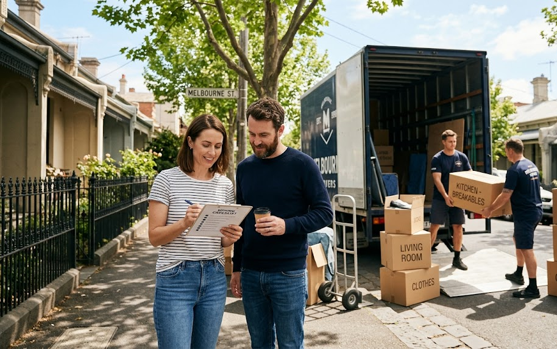
Packing up a house is stressful enough without wondering what happens to the fern by the window or the lemon tree in the backyard. It's one of the most common questions in the lead up to a move, and for good reason. Furniture, boxes and electronics have clear rules. Plants don't, at least not the same way. Melbourne Movers get asked about pot plants, potted trees and garden shrubs on almost every quote call, and the honest answer is more nuanced than a simple yes or no.
Most local removalists in Melbourne are happy to carry small to medium potted plants as part of a normal house move. The complications show up with large or fragile plants, in ground garden plants, and anything crossing a state border.
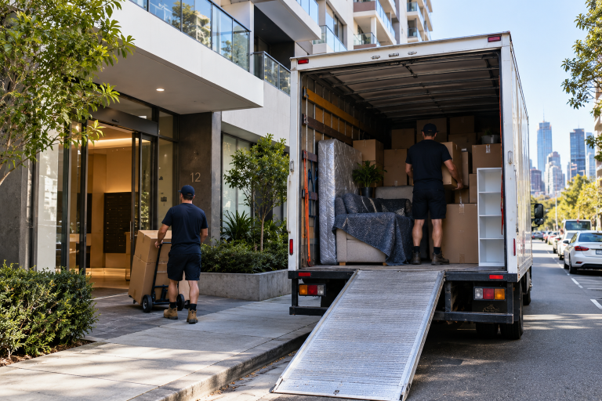
Yes, in most cases, for a standard local move. Potted indoor plants such as succulents, small palms and ferns are generally treated like any other household item: loaded carefully, kept upright, and placed somewhere they won't be crushed. Outdoor pot plants, including small citrus trees or shrubs in containers, usually travel the same way.
What changes the answer is scale and condition. A cracked terracotta pot, a plant too heavy to lift safely, or a tree that's technically in the ground rather than potted is a different job. Some removalists will decline these outright, others will move them on the condition that you repot into something lighter first, or accept that the company won't be liable for wilting or transplant shock.
It's worth asking directly when you book, rather than assuming. Policies differ between companies, and a quick phone call before moving day avoids a surprise on the truck.
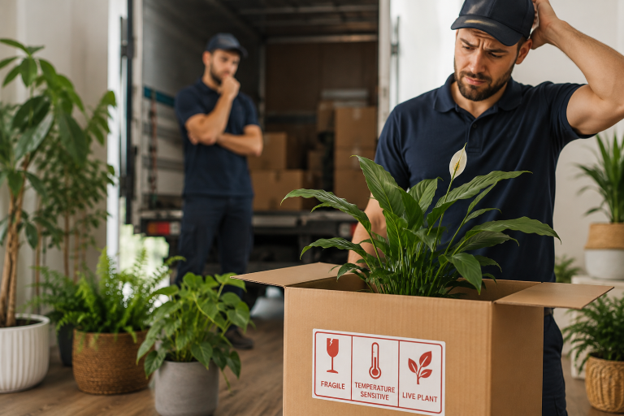
There are two practical reasons behind the caution, and neither is about removalists being difficult.
Most removalist transit insurance in Australia is arranged through membership of the Australian Furniture Removers Association (AFRA), which requires accredited members to hold public liability, carriers' legal liability, and goods-in-transit cover. Even so, living items sit awkwardly under most policies, since a plant's condition before the move is hard to prove. Many companies will still carry your plants, but expect them to be upfront that plants aren't covered the same way a sofa is.
Soil spills, pots crack under vibration, and top-heavy plants tip over if they aren't wedged securely. None of that is unique to plants, but it's harder to prevent than with a box of books, and a damaged plant can't simply be replaced with an insurance payout the way furniture can.

The two categories don't move the same way, and treating them identically is where most damage happens.
| Factor | Indoor Plants | Outdoor Plants |
|---|---|---|
| Main risk | Temperature shock, low light in a closed truck | Wind, sun exposure, root disturbance |
| Typical container | Lightweight plastic or ceramic pots | Heavier terracotta, half wine barrels, or in-ground |
| Truck placement | Upright, near the door, away from stacked boxes | Often better suited to a ute or trailer if very large |
| Common issue | Leaf drop from stress within 24–48 hours | Cracked pots, snapped branches, soil loss |
If you're moving a large outdoor collection alongside a full house removal, flag the plants separately when you get your quote so the crew can plan truck space and loading order around them.
If your move is staying within Melbourne or regional Victoria, plants are largely a packing and handling question. That changes the moment you cross a state border.
Australia's states each apply their own plant biosecurity rules to stop pests, diseases and weeds spreading between regions. According to Agriculture Victoria, moving plants, plant products, used packaging and soil into or out of Victoria can be restricted or prohibited, and importing plants may require a Plant Health Certificate from an authorised inspector.
This applies even to plants bought online, so checking with Agriculture Victoria first is the safest way to avoid a fine or having a plant destroyed at the border.
An interstate removalist isn't being unhelpful if they ask you to arrange certification yourself, or decline certain species. Western Australia and Tasmania in particular apply stricter conditions than other states, so check your destination before you get attached to bringing every pot.
A little preparation the week before makes a real difference to how plants handle the trip.

For a handful of hardy indoor plants, moving them in your own car is often the safer option. You control the temperature, keep them upright, and the trip is usually short enough that stress is minimal.
For a large outdoor collection, heavy pots, or anything that won't fit in a car, it makes more sense to include them in the professional move and discuss handling in advance. Getting an accurate fare estimate that accounts for the extra items helps avoid surprises on the day and gives the crew time to plan the load properly.
Most plant damage comes down to the same avoidable mistakes:
Most removalists in Melbourne will move your plants for a local house or apartment move, provided the pots are manageable and you've flagged them ahead of time. The real planning happens around insurance expectations, container condition, and, if you're heading interstate, the quarantine rules that apply regardless of who's driving the truck. Ask your removalist directly, prepare your plants the week before, and treat them as their own category on moving day rather than afterthought.
LOCATIONS & SUBURBS
From moving houses to office relocation services in records time, we’ve got the lowest removalist costs in Melbourne – Book your next move with us online today! For our interstate removalists – try Move4Cheap!
© Copyright 2024 - Melbourne Cheap Movers - All Rights Reserved | Designed, Marketing & Managed by Crazy Rise