Moving to a new home is one of life's most exciting milestones, but it can also feel overwhelming once you start thinking about boxes, trucks, timing and budgets.
Whether you are shifting across the street or across the city, hiring the right team of Melbourne Movers can turn a stressful day into a smooth one. This guide breaks down everything you need to know in 2026, from real pricing to the exact process a good removalist follows, so you can plan your move with confidence and avoid paying more than you should.
Most people only think about removalist costs a week or two before their move, and that is usually when panic sets in.
Prices in Melbourne have shifted over the past year due to fuel costs, trade demand and general inflation, so numbers from a few years ago will not give you an accurate picture anymore.
Knowing what a fair price actually looks like helps you compare quotes properly instead of simply picking the cheapest option, which often ends up costing more once hidden fees are added.
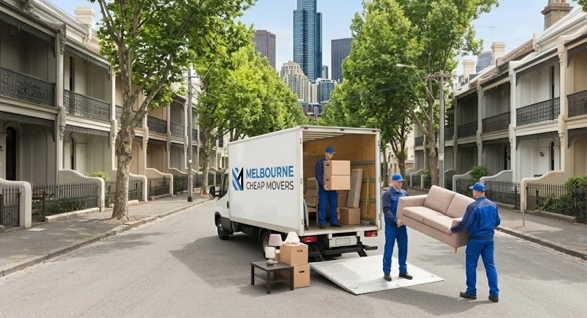
Removalist pricing in Melbourne is almost always based on an hourly rate, and that rate depends on how many movers you book and the size of the truck. Based on current market data across Melbourne moving companies, here is a realistic breakdown of what you should expect to pay this year.
| Crew and Truck Size | Typical Hourly Rate |
|---|---|
| 2 movers with a small to medium truck | $100 to $160 per hour |
| 3 movers with a larger truck | $140 to $220 per hour |
| Additional mover (added to a job) | $35 to $55 per hour extra |
| Professional packing service | $40 to $65 per hour per packer |
Most companies charge a minimum booking of two to three hours, and rates tend to sit higher on weekends, public holidays and during the busy December to January period.
Booking a weekday move outside peak season is one of the simplest ways to bring your rate down.
Hourly rates only tell part of the story. What most people actually want to know is the full cost of moving their entire home. The table below gives a realistic estimate based on typical Melbourne moves in 2026, assuming a standard local relocation with reasonable access.
| Property Type | Estimated Total Cost |
|---|---|
| Studio or one bedroom apartment | $250 to $550 |
| Two bedroom home or unit | $500 to $950 |
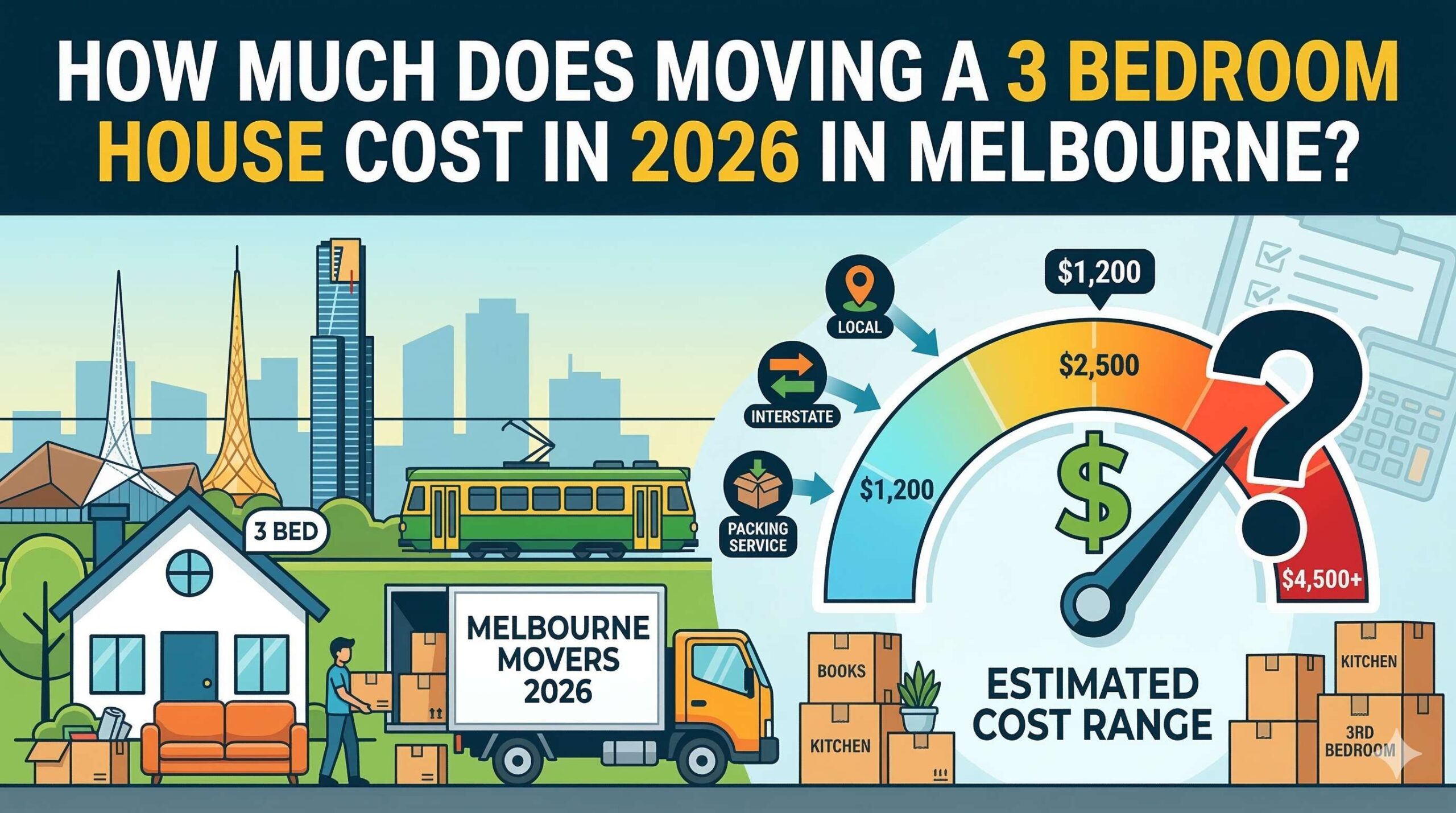
| Three bedroom house | $900 to $1,400 |
| Four bedroom house | $1,100 to $2,000 |
| Interstate move (three bedroom home) | $2,900 to $7,500 |
Keep in mind these figures assume no unusual complications. A home with narrow stairways, a high rise apartment with limited lift access, or a long carry distance from the truck to your front door will naturally push the cost higher because it simply takes longer.
Many customers are surprised when their final bill looks different from what they expected. Understanding the factors below will help you predict your costs more accurately and avoid surprises on moving day.
Volume of belongings
More furniture and boxes mean more time to load, transport and unload, which directly increases labour hours.
Access at both properties
Stairs, long hallways, narrow doorways and lack of parking near the entrance all add time to the job.
Distance between locations
Most quotes include a set number of free kilometres, usually around 30 to 40 km, with additional per kilometre charges beyond that.
Day and time of booking
Weekend, evening and end of month moves are in higher demand and often priced 10 to 30 percent higher than a weekday move.
Extra services
Packing, furniture disassembly, temporary storage and rubbish removal are usually quoted separately from the base hourly rate.
Truck size
A bigger truck completes the job in fewer trips but costs more per hour than a smaller van.
Local moves within Melbourne are almost always charged by the hour, since the job can vary so much depending on the property.
Interstate moves work differently. Instead of an hourly rate, most companies charge based on the volume of your belongings, measured in cubic metres, combined with the distance travelled.
| Move Type | Pricing Method | What Influences Cost |
|---|---|---|
| Local move within Melbourne | Hourly rate | Home size, access, time of day, distance within the metro area |
| Interstate move (for example Melbourne to Sydney) | Flat rate based on volume and distance | Total cubic metres of items, distance, tolls, fuel, whether backloading is used |
If you are moving interstate, ask your removalist whether they offer backloading, which means your items share space on a truck that is already travelling that route. This option can significantly reduce your cost compared to booking a dedicated truck just for your move.
Knowing how a typical move unfolds helps you prepare properly and reduces the chance of delays on the day. Here is what the process usually looks like from start to finish.
A reliable removalist will ask detailed questions about your inventory, the layout of both properties, and any access challenges such as stairs or lifts. Some companies offer an online form where you can upload photos, which helps produce a more accurate quote instead of a rough guess over the phone.
Once you accept a quote, confirm the date, arrival window, crew size and truck size in writing. It is worth asking whether the quoted rate includes travel time from their depot, since some companies charge this separately while others build it into the hourly rate.
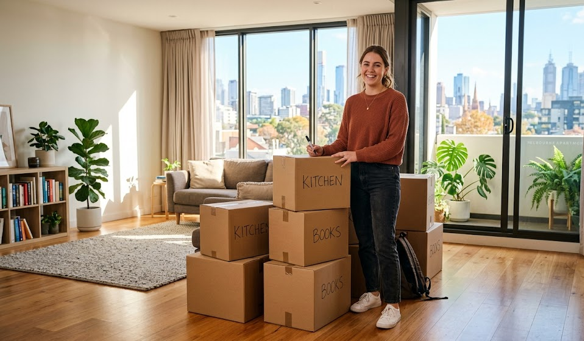
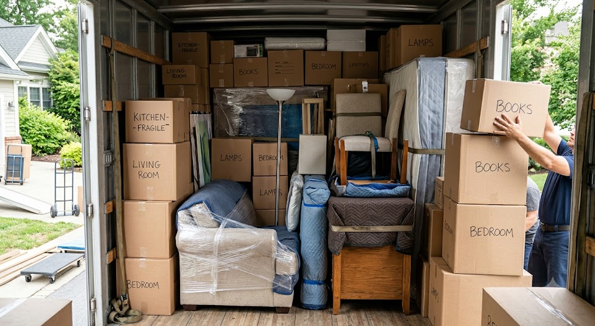
The more organised you are, the faster and cheaper your move will be. Pack boxes ahead of time, label them by room, and disassemble simple furniture such as bed frames where possible. Removalists still charge by the hour even if they are the ones doing the packing, so preparation directly saves you money.
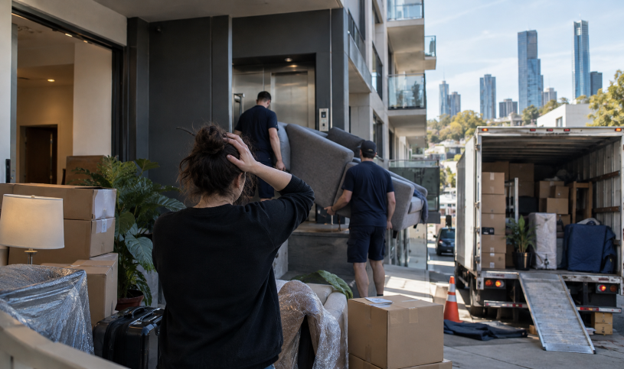
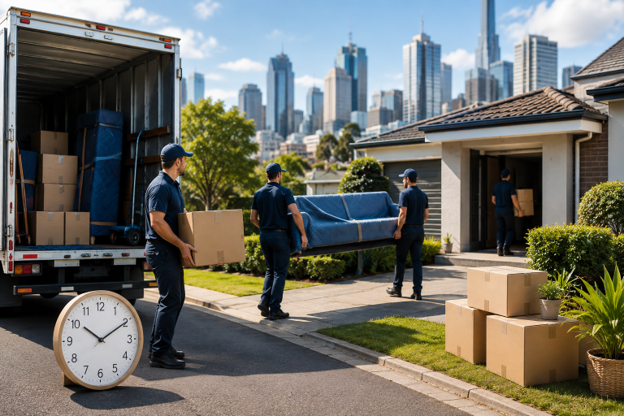
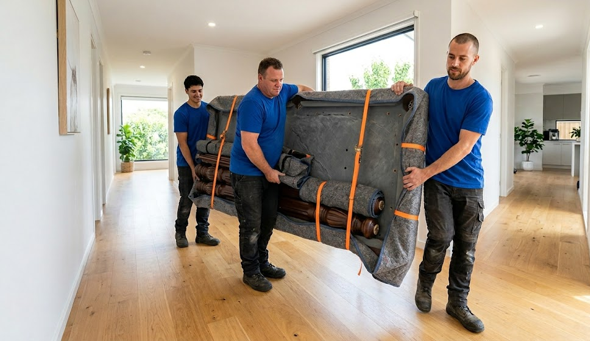
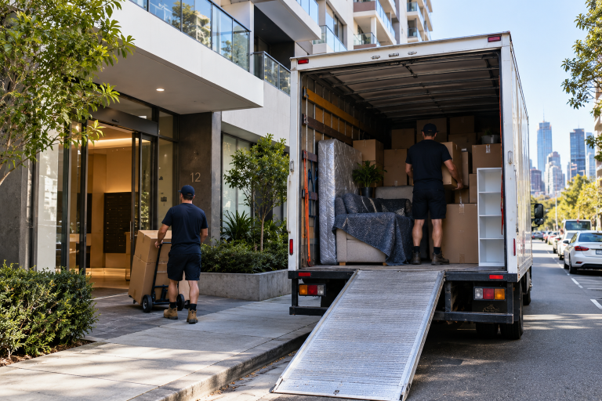
On the day, the crew will wrap furniture in protective blankets, load everything securely into the truck, and drive to your new address. This is usually the most time consuming part of the job, particularly if either property has difficult access.
Once at your new home, the team unloads and places furniture and boxes in the rooms you specify. Many removalists will also reassemble basic furniture they took apart earlier, though this may be a separate line item depending on the company.
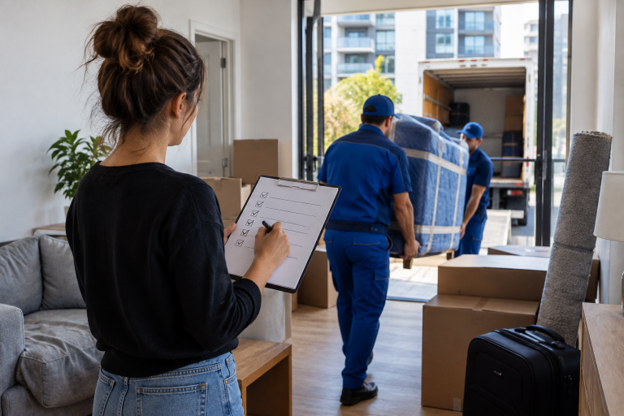
Before the crew leaves, do a quick walkthrough to confirm everything has arrived and nothing has been left behind at the old property. This is also the time to raise any concerns about damage so it can be addressed immediately rather than after the team has gone.
With so many companies advertising in Melbourne, choosing the right one comes down to a few key checks rather than simply picking the lowest quote.
You do not need to sacrifice quality to save money on your move. A few practical habits can shave real dollars off your final bill.
Moving house does not need to be stressful once you understand how pricing works and what to expect from the process.
By comparing quotes properly, preparing ahead of time and knowing which questions to ask, you can find reliable Melbourne Movers who will handle your belongings with care and keep your budget on track.
A little research before booking day goes a long way toward making your move in 2026 as smooth as possible.
Ready to book your move? Get a free, no obligation fare estimate from Melbourne Cheap Movers today.
With transparent pricing, no hidden charges, and rates starting from $60 per hour, we make it easy to plan your 2026 move with confidence. Get Your Free Fare Estimate now.
How far in advance should I book a removalist in Melbourne?
Aim to book two to four weeks ahead for a local move, and four to six weeks ahead if you are moving interstate, since availability tightens quickly during peak periods.
Do removalists charge extra for stairs?
Most reputable companies do not add a separate stairs fee, but a property with difficult access will naturally take longer, which increases your total hours and therefore your bill.
Is tipping expected?
Tipping is not required in Australia, but many customers give ten to twenty dollars per mover as a thank you when the team has done an excellent job.
Should I choose an hourly rate or a fixed quote?
Hourly rates work well for smaller, straightforward moves where access is simple. Fixed quotes suit larger homes or moves with more complexity, since they lock in the price and remove uncertainty from the day.
What is backloading and can it save me money on an interstate move?
Backloading means your belongings share truck space with another customer's move heading in the same direction. It usually costs less than booking a dedicated truck, though your delivery date may be slightly less flexible.
LOCATIONS & SUBURBS
From moving houses to office relocation services in records time, we’ve got the lowest removalist costs in Melbourne – Book your next move with us online today! For our interstate removalists – try Move4Cheap!
© Copyright 2024 - Melbourne Cheap Movers - All Rights Reserved | Designed, Marketing & Managed by Crazy Rise