Banner

Difficult Access Moving Guide Melbourne

Melbourne is full of character homes, heritage terraces, high rise apartments and inner city laneways that make moving day genuinely challenging.

If your property has narrow streets, steep stairs, no lift access, or a tight loading area, standard moving methods often will not work. This is where experienced Melbourne Movers make the real difference, using the right equipment, planning and local knowledge to move your belongings safely without damaging your property or your items.

📌

Key Takeaways

  • Difficult access moves involve narrow streets, laneways, no lift buildings, steep stairs or tight doorways that a standard truck or method cannot handle easily.
  • Melbourne suburbs like Fitzroy, Carlton, Collingwood, South Yarra and parts of the CBD are known for tricky access due to laneways and heritage housing.
  • Professional movers use smaller shuttle vehicles, stair trolleys, furniture dollies and extra crew to manage these properties safely.

  • Sharing photos or details of your street, entryway and staircases before your move helps movers plan the right vehicle and crew size.
  • Parking permits are often required in inner city council areas when a truck needs to use a loading zone or resident parking bay.
  • Difficult access moves can cost more due to extra time, smaller vehicles, multiple trips or additional manpower, so getting a clear upfront quote matters.
  • Basic furniture disassembly is often included when needed to fit items through narrow doorways or staircases.

Table of Contents

  • What Is Considered a Difficult Access Move
  • Common Difficult Access Areas in Melbourne
  • How Professional Movers Assess Difficult Access
  • Equipment Used for Difficult Access Moves
  • Hoisting and Crane Lifting for Extreme Access Situations
  • Handling Heavy and Oversized Items
  • Parking, Permits and Council Rules in Melbourne
  • Best Time to Move in Tight Access Areas
  • How Much Notice to Give for a Difficult Access Move
  • Tips to Prepare for a Difficult Access Move
  • What to Tell Your Mover Before Booking
  • Do Difficult Access Moves Cost More
  • Insurance and Liability for Difficult Access Moves
  • Frequently Asked Questions


What Is Considered a Difficult Access Move

A difficult access move is any relocation where a standard large moving truck cannot park close to the property, or where the internal layout makes moving large furniture hard. Common examples in Melbourne include:

  • Narrow inner city streets that cannot fit a large truck
  • Laneway houses and rear access properties in suburbs like Fitzroy, Carlton, Collingwood and North Melbourne
  • Apartments above the second floor with no working lift
  • Heritage homes with narrow hallways, tight doorways or steep internal staircases
  • Properties with steep driveways, hillside blocks or multiple external steps
  • Strata buildings with strict loading dock booking times
  • Properties with no direct street parking, requiring a long carry distance

If your home matches any of the above, it is worth mentioning this clearly when you request a quote so the moving company can plan the right approach.


Common Difficult Access Areas in Melbourne

Area Type Common Challenge Typical Solution
CBD laneway apartments No truck access, loading dock time limits Smaller shuttle vehicle plus trolley runs
Terrace houses (Fitzroy, Carlton, South Yarra) Narrow hallways, small front doors Furniture disassembly and careful angling
High rise apartments Lift booking restrictions, long corridors Off peak lift bookings and multiple trip planning
Hillside suburbs (Eltham, Warrandyte, Doncaster) Steep driveways, uneven ground Extra manpower and non slip equipment
Heritage homes Narrow staircases, low doorframes Trolley dollies and careful item wrapping
Rear laneway access homes Truck cannot enter laneway Hand carrying via trolley from nearest access point


How Professional Movers Assess Difficult Access

Before moving day, a reliable moving company will usually complete a pre move access check. This normally includes:

  • Checking street width and whether a large truck can physically enter
  • Confirming parking availability or the need for a permit
  • Measuring doorways, hallways and staircases against large furniture items
  • Checking lift dimensions and booking requirements for apartments
  • Identifying the number of steps, floors or the distance from parking to the front door
  • Planning whether a smaller vehicle or a shuttle run is required

Sharing photos or a short video of your entryway, stairwell and street when requesting a quote helps movers plan accurately and avoid surprises on the day.

Equipment Used for Difficult Access Moves

Standard moving trolleys are not always enough for tight or multi level properties. Experienced movers typically use:

  • Furniture dollies and shoulder straps for narrow hallway carrying
  • Stair climbing trolleys for heavy items on multi level staircases
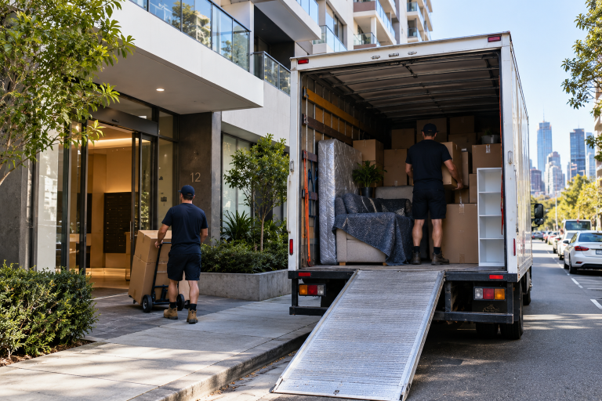
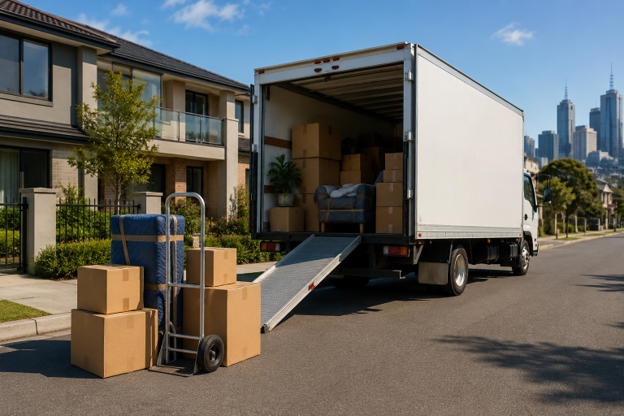
  • Smaller transit vans for laneway or narrow street access
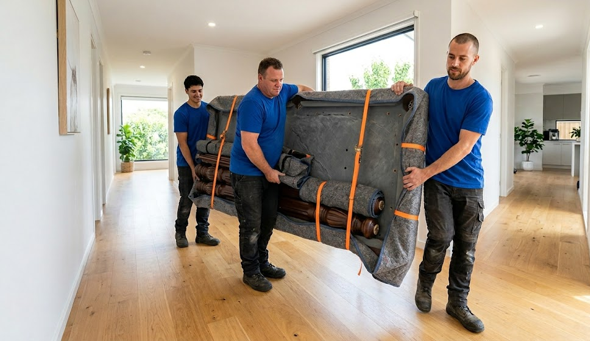
  • Furniture blankets and corner protectors for tight doorway turns
  • Adjustable ratchet straps to secure loads on uneven driveways
  • Extra crew members to manage long carry distances safely

Hoisting and Crane Lifting for Extreme Access Situations

Sometimes an item simply will not fit through a doorway, staircase or lift no matter how it is angled. This is common with large sofas, wardrobes, king size mattresses, pianos and pool tables in Melbourne apartments and heritage homes. In these cases, movers may use:

  • Window or balcony hoisting using ropes and pulleys for upper floor apartments
  • External crane lifting for very large items in high rise buildings, usually arranged in advance with the building management
  • Removal of doors, door frames or window panes as a temporary measure to widen the opening
  • Careful disassembly into smaller sections where the item design allows it

Hoisting and crane services usually require advance booking and additional cost, and may need permission from strata management or the building owner. If you own oversized furniture and live in a unit with restricted access, mention this at the quote stage so the moving company can arrange the right equipment in advance.

Handling Heavy and Oversized Items

Certain items need special handling regardless of access difficulty, and this becomes more complex on stairs or in laneway properties. This includes:

  • Pianos (upright and grand)
  • Safes and heavy cabinets
  • Pool tables
  • Large fridges, freezers and washing machines
  • Fish tanks and heavy glass furniture

Movers typically use piano boards, appliance trolleys and additional crew for these items. Always confirm with your mover in advance whether they handle specialty heavy items, as not all moving companies do.

Parking, Permits and Council Rules in Melbourne

Many inner city councils require a parking permit if a moving truck needs to occupy a loading zone or a resident parking bay for an extended period. It is worth checking with your local council in advance, especially in areas such as:

  • City of Melbourne (CBD, Docklands, Southbank)
  • Yarra (Fitzroy, Collingwood, Richmond)
  • Port Phillip (South Melbourne, St Kilda)
  • Stonnington (Prahran, South Yarra)

Booking a temporary parking permit ahead of time avoids fines and reduces delays on moving day.

Best Time to Move in Tight Access Areas

Timing can make a real difference for laneway, CBD and apartment moves in Melbourne. Consider the following:

  • Early morning slots avoid peak traffic congestion on narrow inner city streets
  • Weekday moves often have shorter loading dock wait times than weekends in apartment buildings
  • Council restrictions may limit truck idling or loading zone use during certain hours, so check local rules in advance
  • Avoid moving during Melbourne's wetter months if your property has exposed outdoor walkways, uncovered laneways or steep external stairs, as wet surfaces increase the risk of slips while carrying furniture
  • Booking your lift access outside of peak building traffic times (early morning or midweek) reduces delays in high rise apartments

How Much Notice to Give for a Difficult Access Move

Difficult access moves usually need more lead time than a standard move because they involve smaller vehicles, extra crew, possible permits or hoisting equipment. As a general guide:

Move Type Recommended Booking Notice
Standard house move 1 to 2 weeks
Apartment move with lift access 2 to 3 weeks
Laneway or narrow street property 2 to 3 weeks
Move requiring hoisting or crane lift 3 to 4 weeks
Move requiring a council parking permit 2 to 3 weeks (to allow permit processing time)


Tips to Prepare for a Difficult Access Move

  • Measure your largest furniture items and compare them against doorway and staircase widths
  • Disassemble bed frames, wardrobes and large tables where possible before movers arrive
  • Clear hallways, stairwells and entry points of obstacles
  • Confirm lift access times with your building management in advance
  • Ask your moving company whether a smaller vehicle or shuttle service is included
  • Inform movers about any strata rules, loading dock hours or access restrictions
  • Book your parking permit early if your property is in a restricted zone

What to Tell Your Mover Before Booking

Use this checklist when requesting a quote so your mover can plan the correct vehicle, crew and equipment:

  • Number of steps or floors between parking and your front door
  • Whether the building has a working lift, and its internal dimensions
  • Street width and whether large trucks have entered before
  • Distance from the nearest legal parking or loading zone to your entrance
  • Any strata rules, loading dock hours or booking requirements
  • Doorway and hallway widths if you have large furniture
  • Any single items that may need hoisting, such as pianos or large sofas
  • Whether a parking permit is needed for your suburb

Do Difficult Access Moves Cost More

In most cases, yes. Difficult access moves often require additional time, extra crew members, smaller specialised vehicles or multiple trips, all of which affect the final price. However, getting an accurate quote upfront by describing your access challenges clearly helps avoid unexpected costs on moving day. A transparent moving company will explain these factors before confirming your booking rather than adding surprise charges afterward.

Insurance and Liability for Difficult Access Moves

Difficult access moves carry a higher risk of damage to walls, doorframes, banisters, lift interiors and the items themselves due to tight turns and multiple handling points. Before booking, check:

  • Whether your mover carries public liability insurance for property damage
  • Whether transit insurance covers your belongings during hoisting or multiple trip transfers
  • Whether the building requires proof of insurance before allowing lift or loading dock access
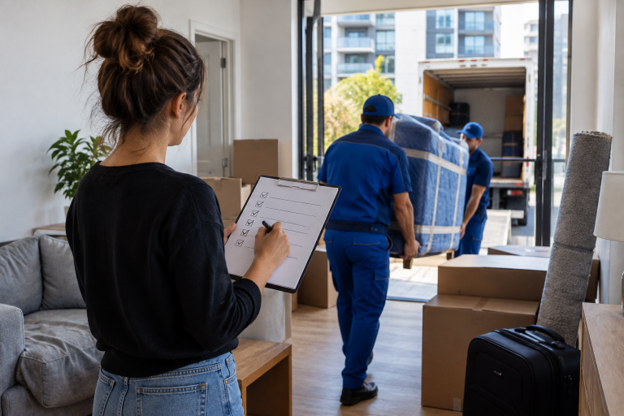
  • Whether existing damage (for example scuffed walls or an old carpet stain) is documented before the move starts, to avoid disputes afterward

Ask your moving company for their insurance details in writing before confirming your booking.


Frequently Asked Questions

Can a large moving truck access narrow Melbourne laneways?
Usually not. Most professional movers use a smaller transit van or shuttle vehicle to reach laneway properties, then transfer items to the main truck if needed.

What if my apartment building has no working lift?
Movers will use stair trolleys and additional crew to safely carry items floor by floor. It is important to inform your moving company in advance so they can allocate enough time and manpower.

Do I need a parking permit for moving day in Melbourne?
If you live in an inner city council area with loading zones or resident only parking, a temporary permit is often required. Check with your local council ahead of your move date.

How can I get an accurate quote for a difficult access move?
Provide clear details or photos of your street, entryway, staircases and parking situation. This allows the moving company to plan the right vehicle, crew size and equipment.

Is furniture disassembly included in difficult access moves?
Many moving companies include basic disassembly and reassembly of beds, tables and wardrobes as part of the service, especially when required for tight doorways or staircases. Confirm this when booking.

Related Blogs

LOCATIONS & SUBURBS

Find removalists in suburbs of Melbourne

Moving Soon?

Speak to our moving experts now.

  • No Hidden Charges.
  • Hassle-free booking under your pocket.
03 8383 7272